The Story of Our Veteran Vasyl Stuzhenko, Video Surveillance Specialist
Tell us how Avrora first became part of your life.
I received veteran status back in 2014 following severe injuries. After the full-scale invasion began, I registered with the employment centre. Approximately six months later, I received a call informing me about a vacancy at Avrora.
I immediately explained that I had a war-related disability and an individual adaptation plan stating that I could work either from home or at a specially adapted workplace. In response, I was offered a position as a video surveillance specialist.
I am now in my second month at Avrora. Considering my injuries, this is a good job for me: it provides a sense of purpose and helps me become involved in a working routine. At first, however, it was honestly difficult to concentrate because of my head injury.
Had you heard of Avrora before joining the company? Were you a customer?
Honestly, not really. In our family, my wife does most of the shopping. Because of accessibility issues, I cannot always move freely around the city. Unfortunately, this remains a significant problem in its own right.
However, I understood what it meant to work for a large company. Before the war, I had worked in both retail and logistics, so the corporate environment was not new to me. I already understood how large retail networks are structured and how their processes, training, teams, and internal standards operate.
Therefore, I did not feel uncertain and wonder, “Where am I going? What kind of company is this?” On the contrary, I understood that Avrora was a large retail network and a well-established employer with systematic processes.
What were your first impressions of working at Avrora—of the team, your manager, and your colleagues?
I felt supported from the very beginning. Everything was demonstrated and explained to me. The team welcomed me warmly, and my colleagues are always willing to help or offer advice when needed.
This is important to me because I am essentially learning a new profession. I previously worked in retail and logistics, whereas this is an entirely different field. I am still learning how to maintain my focus and assess situations from a professional perspective.
Overall, my impressions have been positive. Most importantly, I feel that I am not alone and that I am treated with genuine understanding and respect.
Tell us where you served.
I served in the 40th Kryvbas Battalion. Our battalion took part in the battles of Ilovaisk and later Debaltseve. As far as I know, at the time it was the only battalion in Ukraine to have been through both of these encirclements.
I was severely wounded in 2014. My right arm and leg were amputated, I sustained a head injury, and a titanium plate was implanted. Afterwards, I underwent treatment and spent time in several hospitals. I also had to complete the necessary documentation, obtain disability status, and begin my recovery.
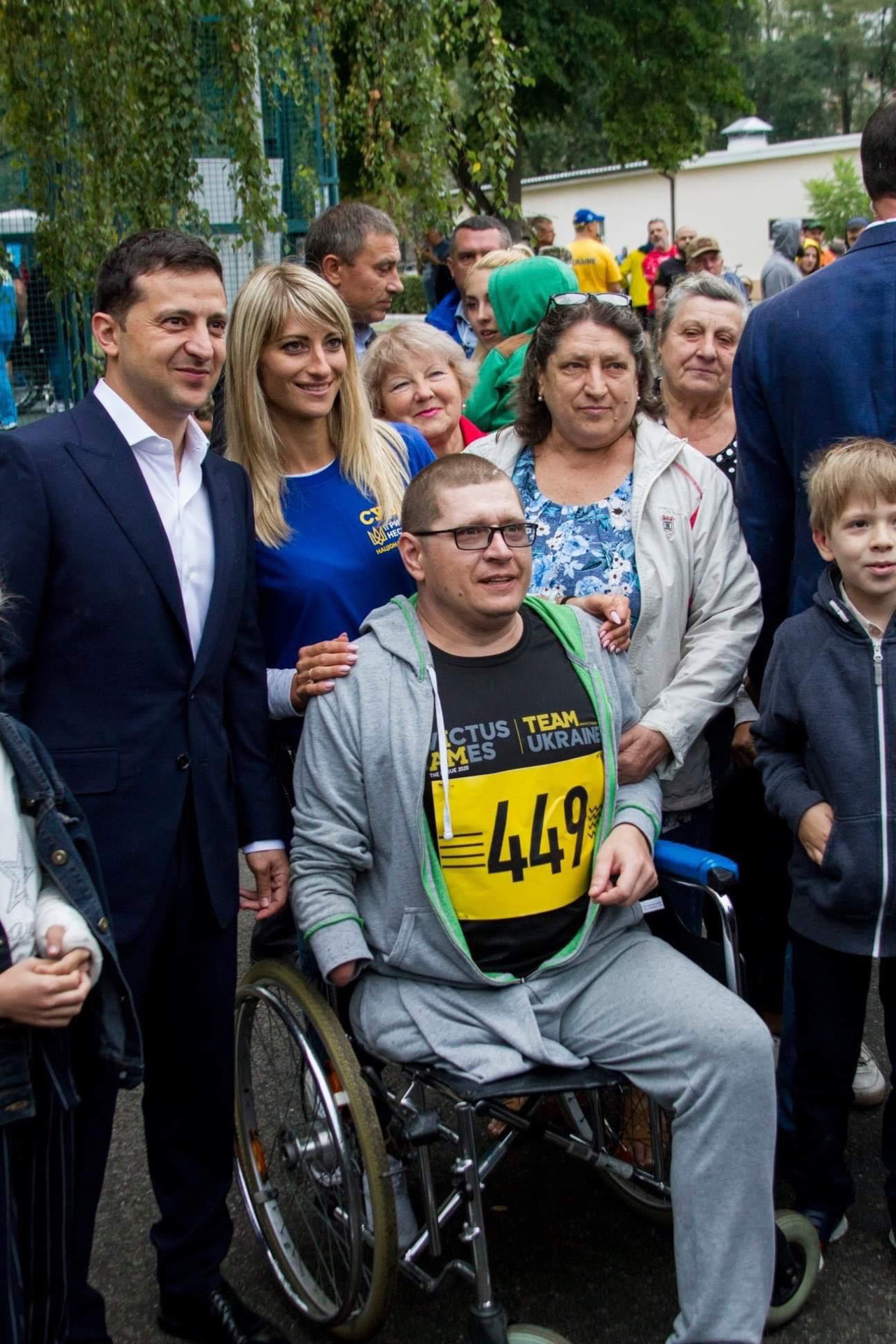
I was brought back from the war with virtually nothing. I had no personal belongings, photographs, or even a phone left. That is why, when people now ask me for photographs from that period, I have almost none.
How difficult was it to return to civilian life? What helped you adapt?
When I became a veteran in 2014, I experienced a very difficult feeling—as though no one needed me. You do not understand where to go next, what to do, or how to find your place in this new reality.
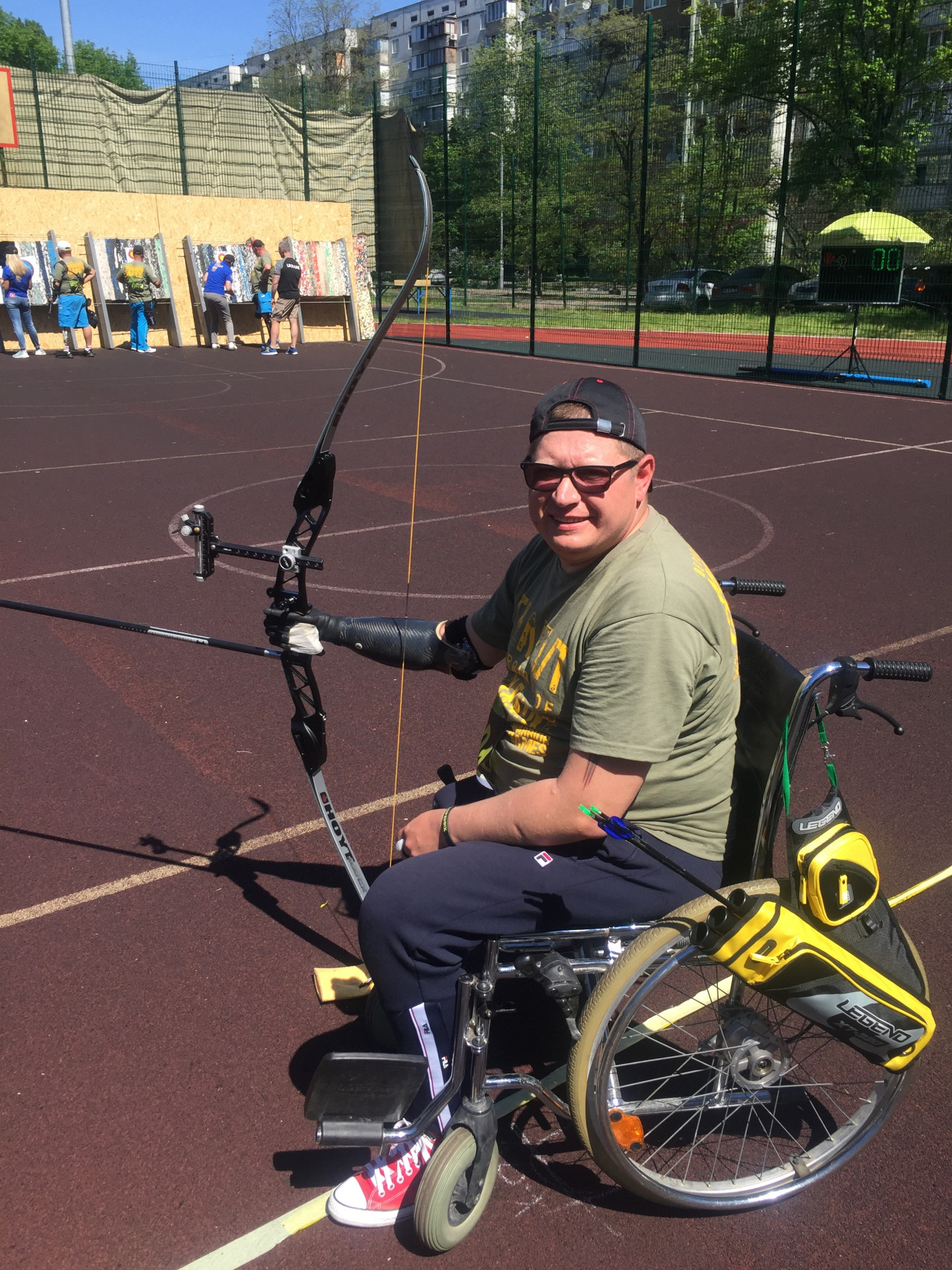
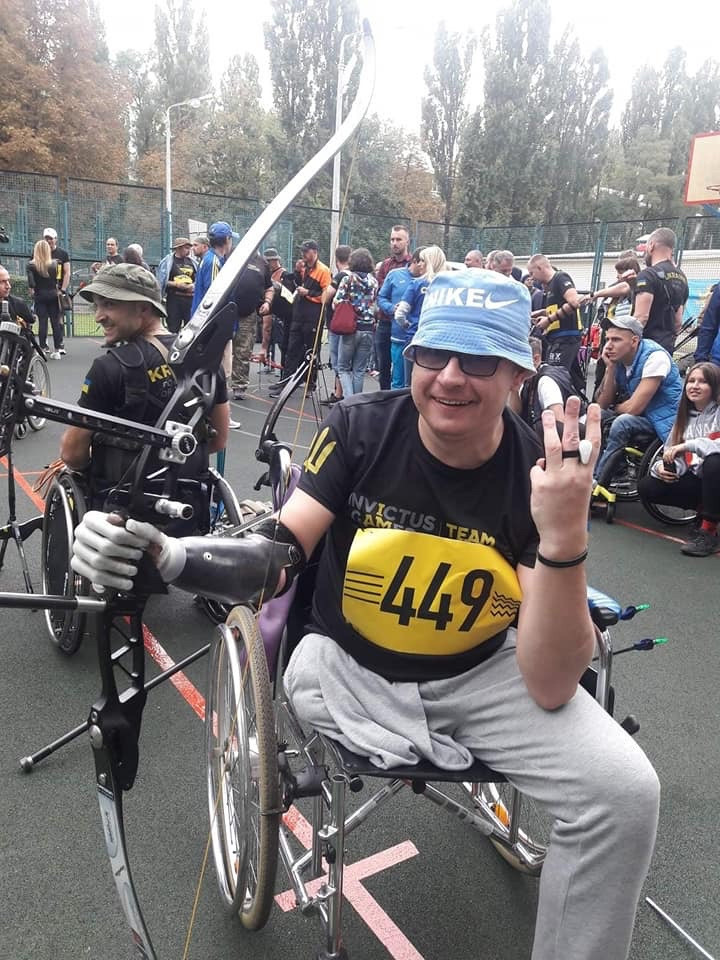
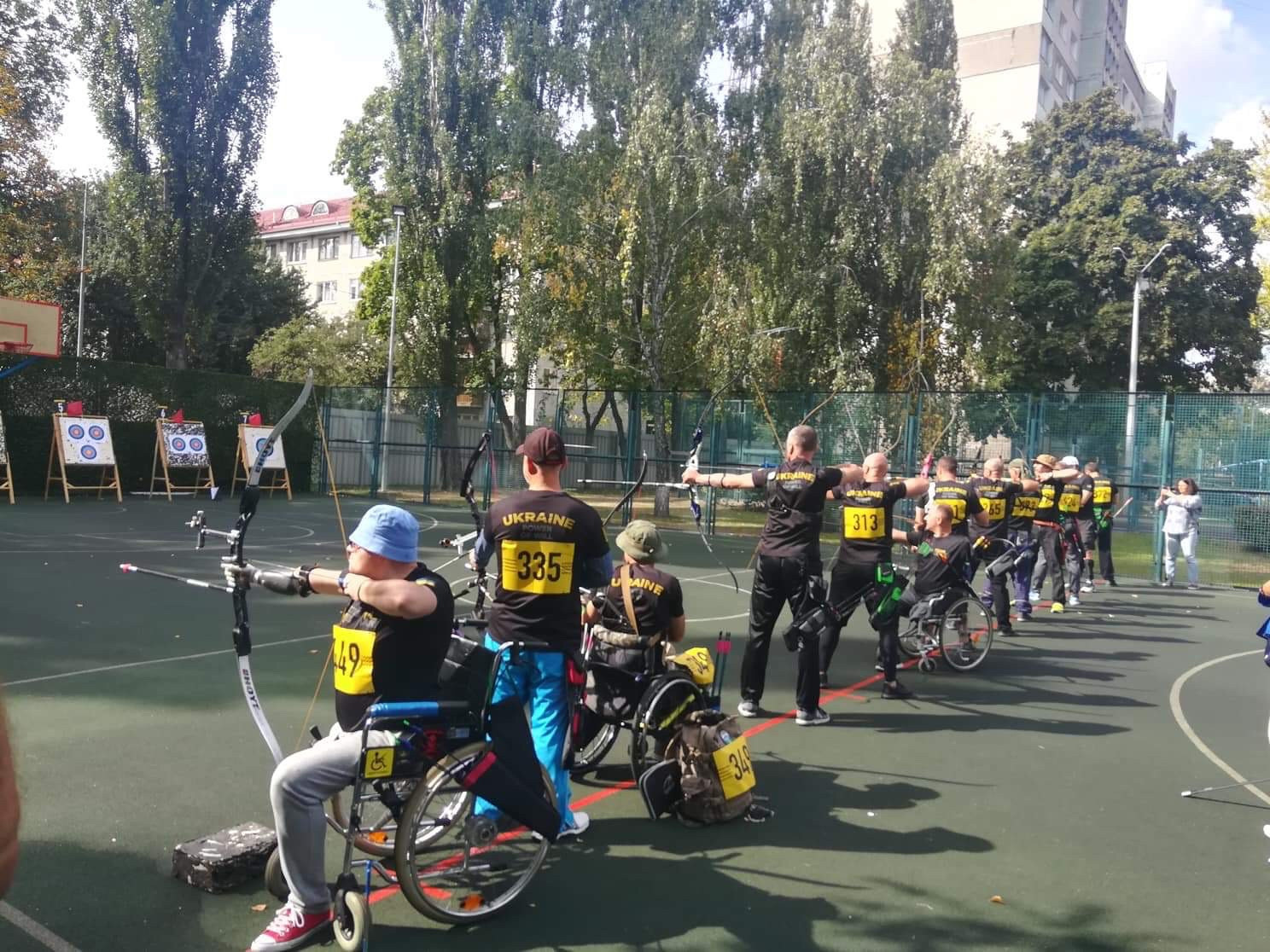
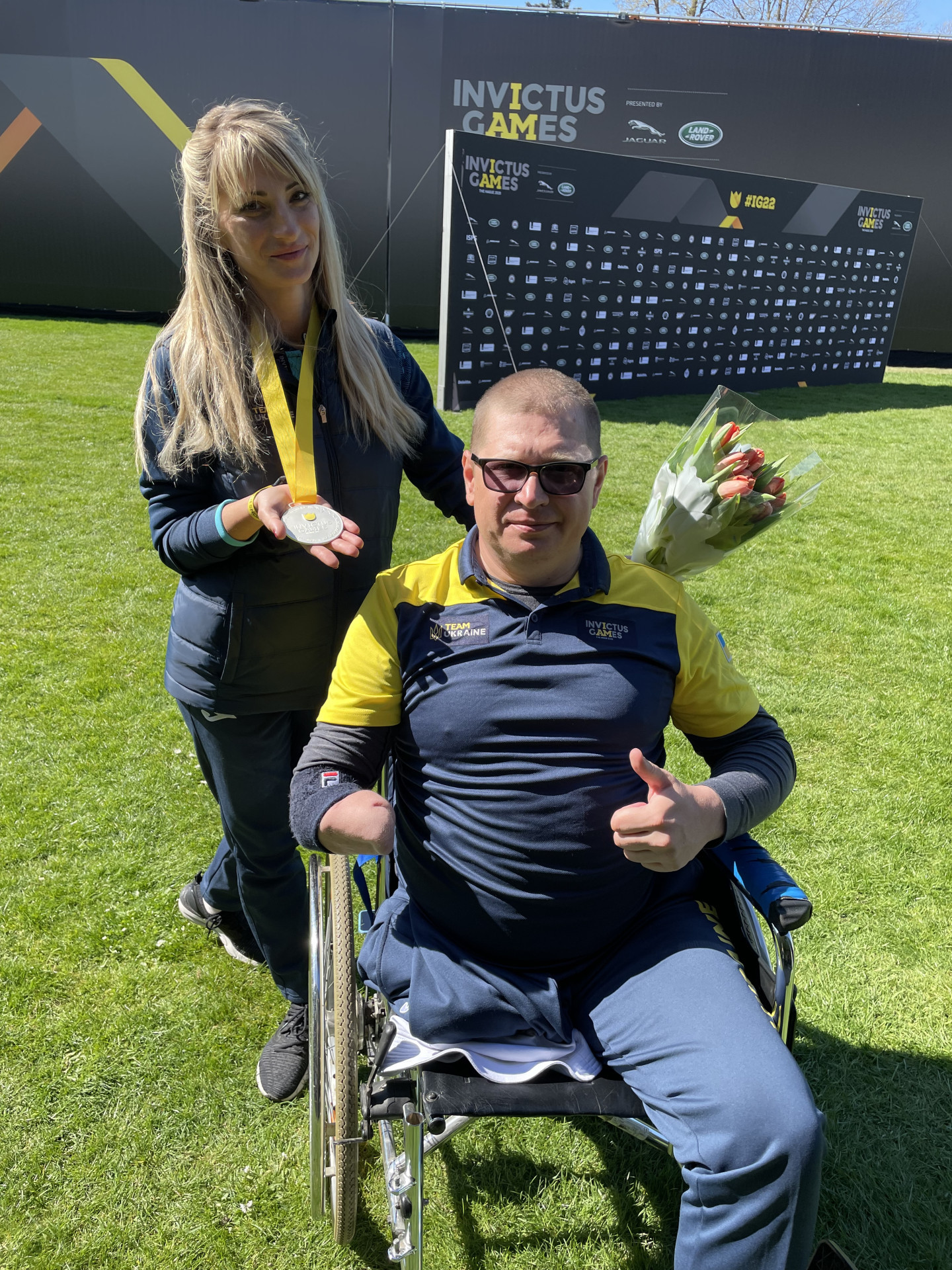
Over time, sport helped me greatly. A fellow veteran from the 40th Kryvbas Battalion learned about the Invictus Games programme from volunteers, and that was how I gradually became involved in sports rehabilitation. We established a non-governmental organisation and began supporting veterans, encouraging them to participate in sport and helping them recover through physical activity, community, and new goals.
Travelling, meeting new people, and communicating with other veterans also played an important role. When you become part of a community of people who have experienced something similar, you develop a profound sense of solidarity. You no longer feel isolated.
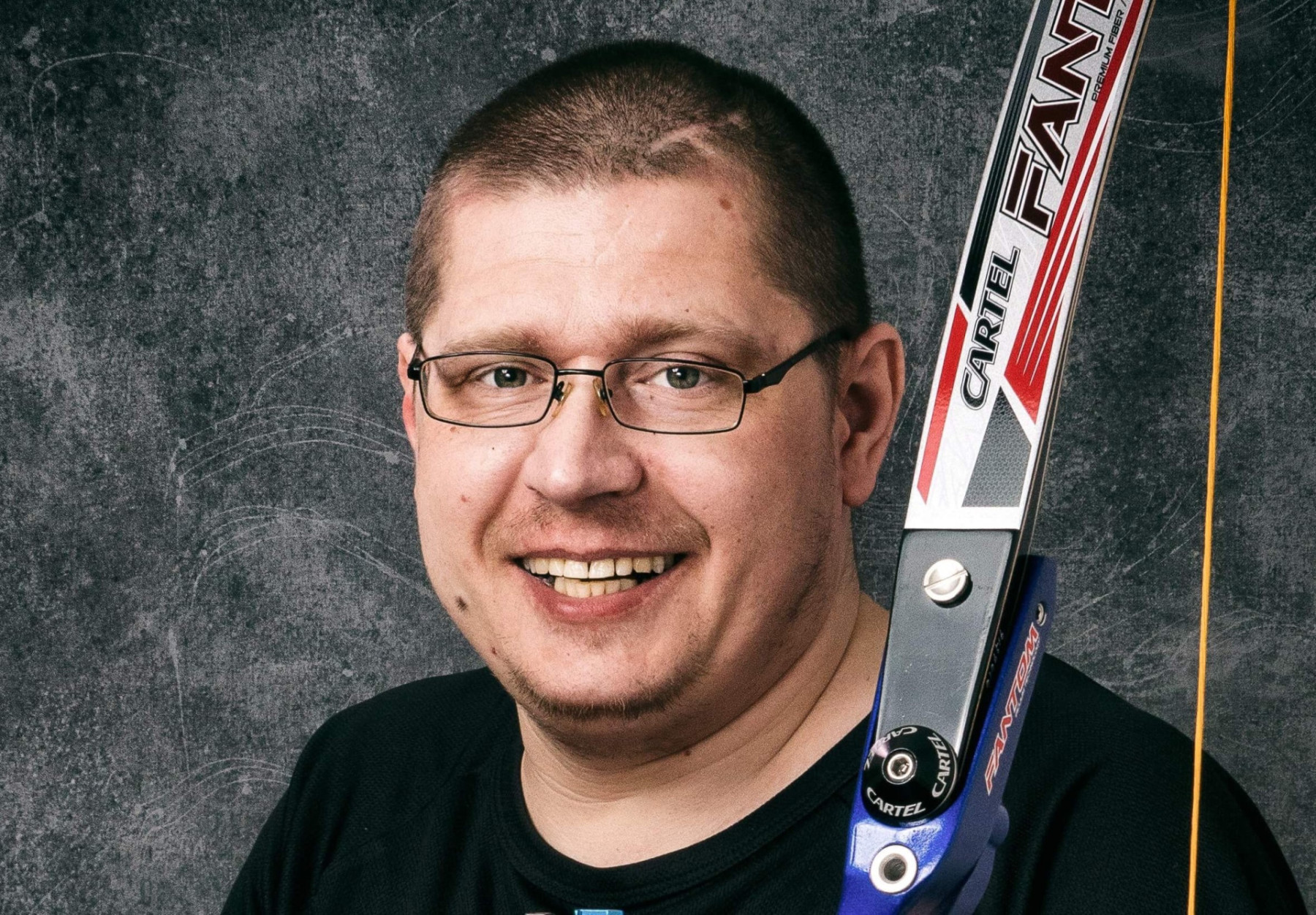
I practised archery, swimming, and indoor rowing. I participated in competitions and was a member of the Ukrainian teams at the Invictus Games and the Warrior Games. At international competitions, I met veterans from other countries, including the United Kingdom and the United States. We spoke about sport, life, and our families.
This was also extremely helpful. You realise that your experience is not unique in a negative sense—that many people follow a similar path and succeed in rediscovering themselves.
Another important factor is having a new goal. When a person is left without a sense of purpose after an injury or military service, it is very easy for them to withdraw into themselves. But when there is a goal—whether in sport, work, or education—there is something to hold on to.
What do you already know about the opportunities and benefits available to veterans at Avrora? Which have you used or plan to use?
Avrora offers a genuinely wide range of opportunities, and I am still gradually learning about everything that is available. I know about the training opportunities, including English-language courses, and I complete internal courses whenever possible.
What advice would you give to veterans who are considering joining Avrora?
Give it a try. Simply give it a try.
A great deal depends on a person’s internal decision—whether they allow themselves to move forward. You need to set a goal and work towards it. Whether through small steps or large ones, the important thing is to keep moving.
Do not be afraid of a new life. It may be different, but it can undoubtedly be fulfilling.