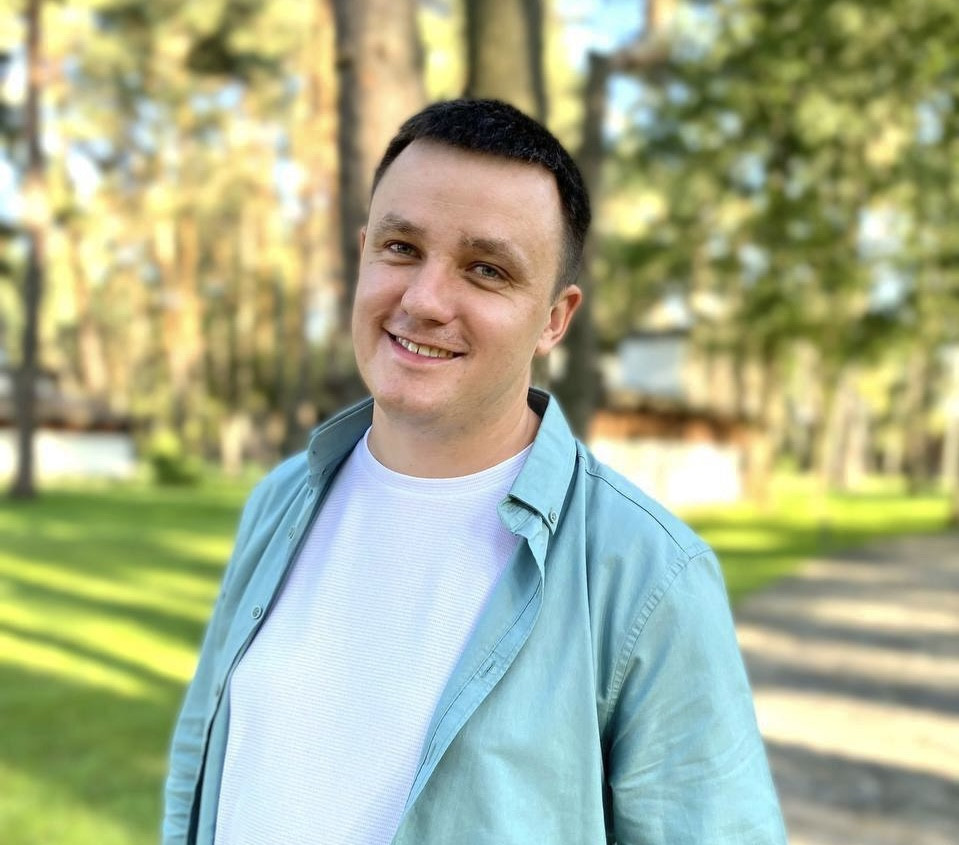
Career path of Vitalii Demochko, Transformation Department Specialist
How did your journey with Avrora begin?
It’s interesting how it all coincided… today (December 22), on this exact date, I had my initial interview with the company — that was 5 years ago. Of course, I had heard about Avrora before. Many of my friends worked here and kept saying: “Go for it, don’t even think twice!” I had worked for several years in education and a bit in retail — I was searching for myself. And I found myself in Avrora 😊
On January 5, it will be 5 years since I joined the company.
How did you perceive the company at the beginning? What did you associate it with?
Well, my shock was… shocked! 😊 Before that, I worked in a school — a large bureaucratic system. Whether you did your job well or poorly didn’t really change anything: neither your compensation nor the overall outcome. It’s a huge, slow-moving system. And then I came to Avrora — and everything here is fast, dynamic, constantly moving.
And it made me a bit sad, actually: there are so many smart, capable people who could change a lot and create value, but they don’t want to work in areas where that value should matter most for the country (like education), because private businesses offer much better conditions and build communities of progressive, driven people.
So my first impression was: “Wow. This is amazing. It’s great to be here.”
At the same time, it was honestly difficult: adjusting to a completely different type of work and mindset, while also dealing with personal challenges. I joined the company on January 5, and on January 7, I found out about my mother’s cancer diagnosis.
By the way, one of the most striking things for me was that, as a brand-new employee, I reached out to the Corporate Social Responsibility department, and through the charity chat “daruy_dobro_vilno,” a fundraiser was launched. A lot of people contributed. And it’s important to understand — this was 5 years ago, not now.
I was truly shocked that the company and its people supported me during such a difficult time — even though I was completely new to Avrora.
Has your perception of the company changed now?
Of course! I’ve changed, the company has changed, the context has changed. At first, I saw Avrora as “just a new job,” later — as “a place where I can learn something,” after demobilization — as “a place through which I can contribute to changes in the country,” and now — as “a place that will have a global impact in the future.” Something like that…
You joined the military while already working at Avrora, right?
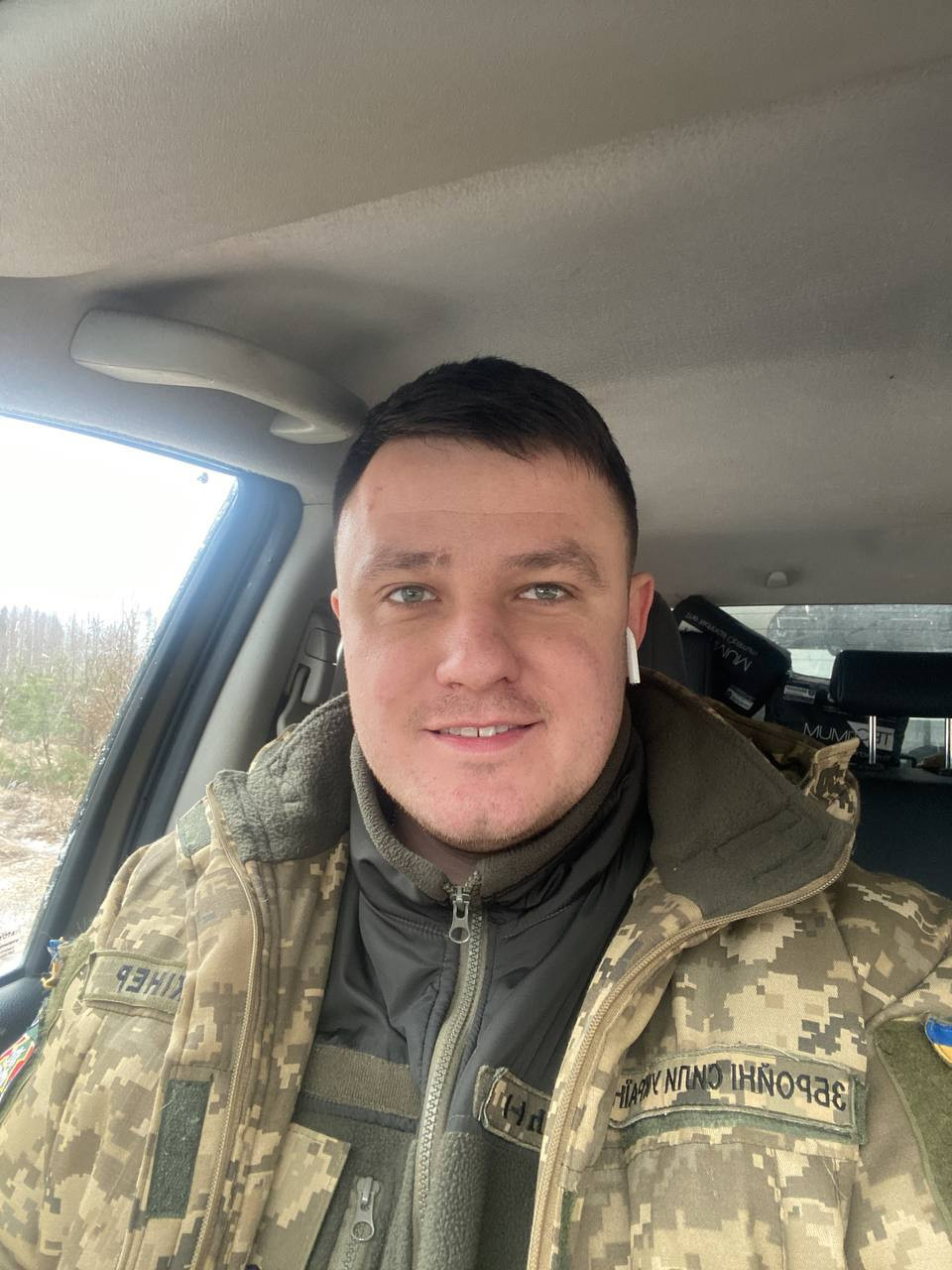
Yes, I had already been working at the company for about a year at that point, as the Head of the Retail Project Office. In the project office, we focused on optimizing processes in stores — the goal was to increase efficiency by improving processes, not by increasing the workload on people. In November, I was promoted to the head position, and I worked in that role until the start of the full-scale invasion. And it was from this position that I “ran” toward the war, so to speak…
Did you feel support from the company during your service?
Yes, of course. They helped me with basic equipment — I still have the helmet at home 😊 They also supported fundraising efforts, including for drones that I operated. And I was really surprised when, in my first month in the military, I received not only my military salary but also a salary from Avrora — that was very приятно.
Can you tell us about your military service: how did you join the army? Did you have any military experience before the full-scale invasion? Where did you serve?
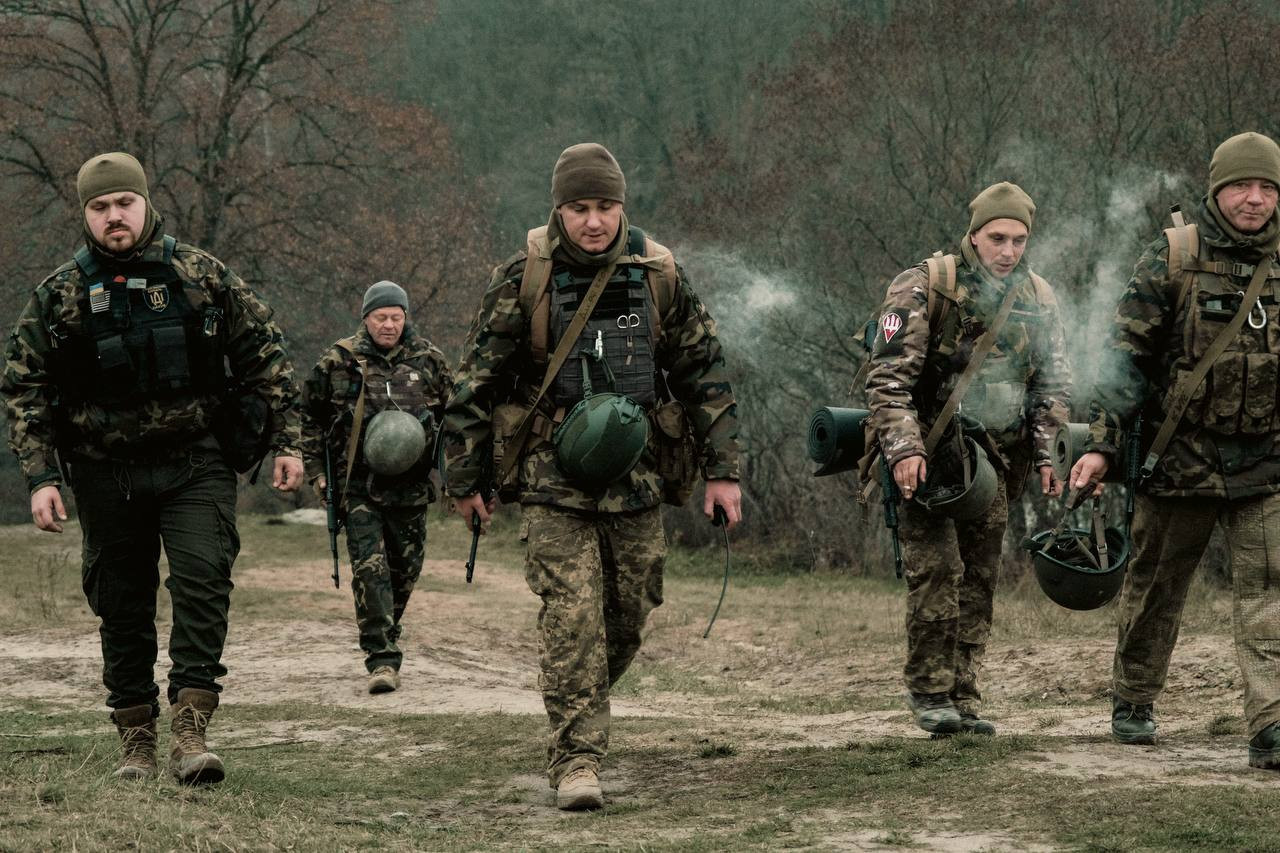
I worked in a school until I was 27 and had no prior military experience. I remember February 22 and the first days of the war very clearly: we were actually seeing the dynamics of the occupation not from the news, but through the operation of the retail network. On the very first day, I signed up for the Territorial Defense, and on the second day, I went to the military enlistment office.
Two questions pushed me: what had I personally done to prevent the occupation from reaching my home? And what would I tell my adult son when he asked where I was during that time?
At the beginning of March, I got a call from the enlistment office telling me to come in the next morning. I went through training and was assigned to the newly formed 71st Separate Jaeger Brigade, which at that time was part of the Ground Forces. Since the brigade had been formed just four days before the war, the staffing structure was still being built, and interviews were ongoing.
I was thinking about what useful skills I had: I can work with Excel (though that wouldn’t really help defend anyone), and I can drive well — so I thought I’d try to become a driver. At the same time, I somehow completely forgot that I’m a geography teacher — I understand cartography and terrain navigation.
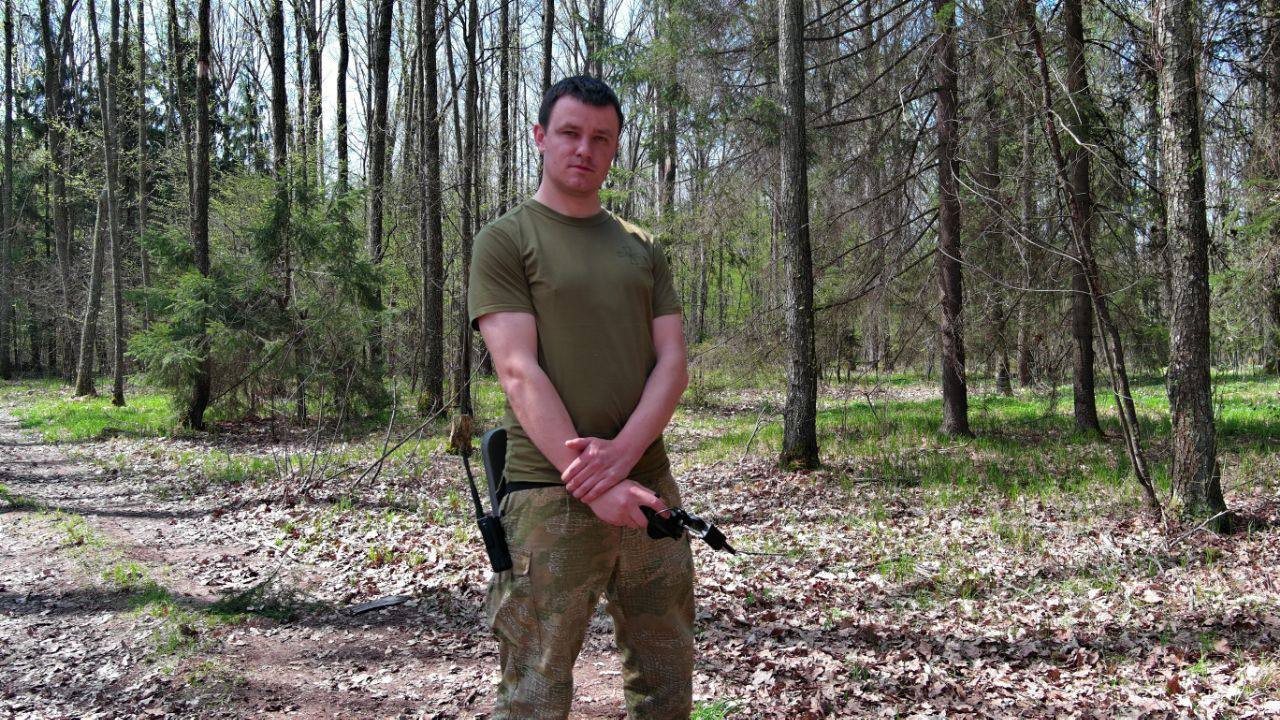
That’s exactly what turned out to be useful: I became a drone operator. Later, I retrained as a squad commander — and here my knowledge of geography became even more valuable.
We served in the Izium direction until the liberation of the Kharkiv region, taking part directly in those operations. Then, until the end of 2022, we were redeployed to Bakhmut.
How easy or difficult was it for you to return to civilian life? What helped with that?
I believe I was very, very lucky: the war affected me minimally, my experience wasn’t deeply traumatic. So it wasn’t that difficult for me to return.
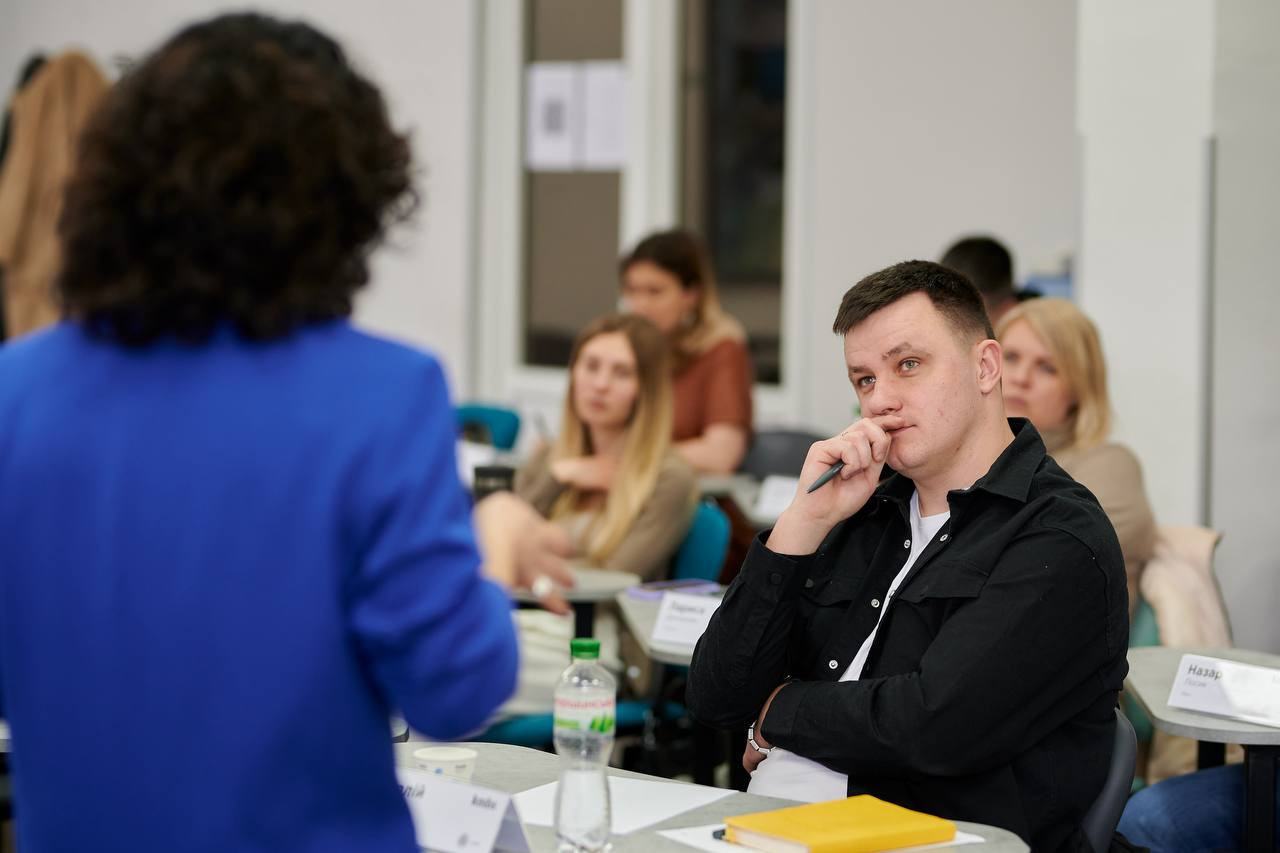
What really helped were new challenges at work and new tasks. Also, the opportunity to focus on my development: Avrora fully covers English learning for veterans (I’m actively studying now), and I’m also pursuing an MBA at UCU. It’s really great that the company supports education, because many veterans need to retrain, gain new knowledge, and build new skills after returning.
There was also one very important moment for me: it mattered a lot to see that life had returned to de-occupied places — Bucha, Hostomel, Borodianka, Makariv, and others nearby. I took a two-week vacation as soon as I got back to work and went there, to the Kyiv region. It was extremely important for me to see that life had come back to places where terrible atrocities had happened — to see with my own eyes that it wasn’t all in vain. That helped me a lot.
You mentioned that your knowledge of geography and your background as a teacher came in handy. Tell us more about that experience.
During my service, I met a group of guys who had their own paramilitary organization for civilians called “Dyke Pole.” Later, they launched the “Dyke Nebo” school, which had two направления: basic training for drone operators and an advanced level for active military personnel, police officers, and civilians who already had foundational knowledge.
I taught at the professional level, because in the first year of the war there were still very few people who could share real, hands-on field experience. I shared practical knowledge: how to avoid exposing a drone, how to conduct tracking, how to adjust artillery fire… My experience and педагогічна освіта turned out to be very useful.
In teaching, I approached it with a mix of humor and a kind of “business-like” mindset, but never through drama. War is truly страшна, very страшна thing. But even in war, problems are solved through communication — through the ability to speak and clearly convey the right information. People, even at the front, remain people.
What motivated you to return specifically to Avrora?
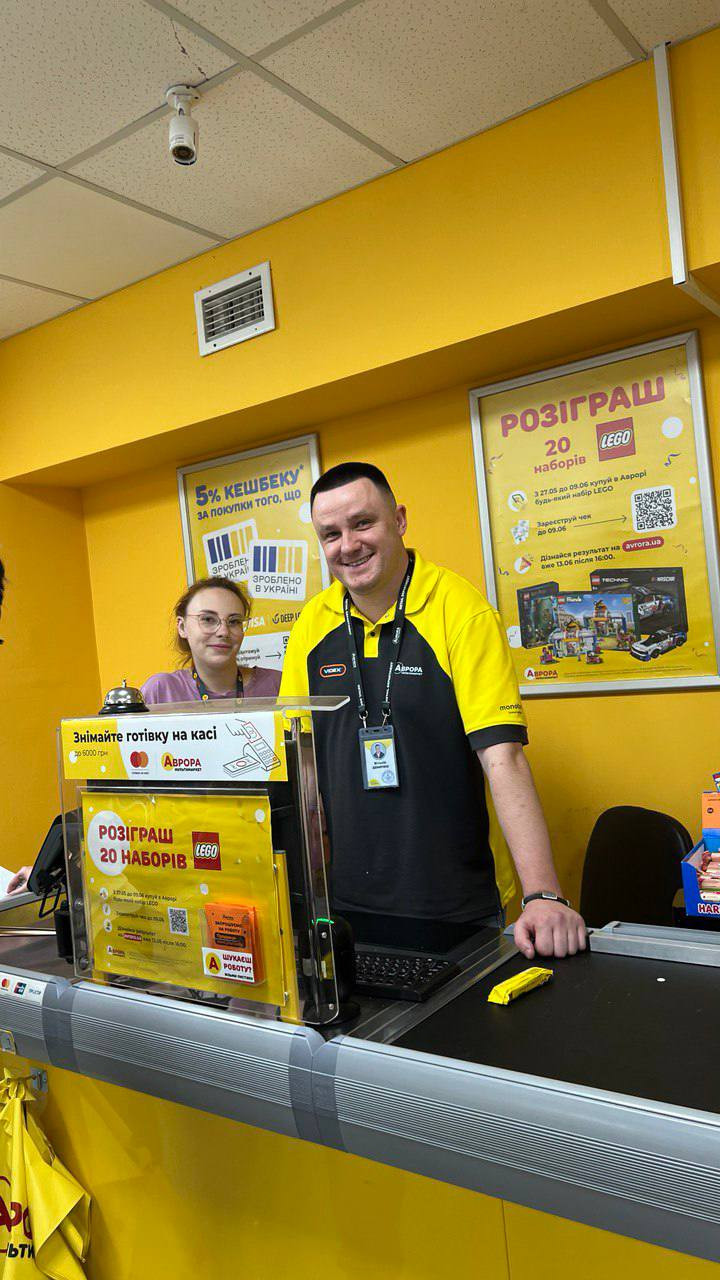
Honestly? I didn’t even consider other options. I simply returned to my familiar life, to my team, to my company. Moreover, I even convinced my wife to join Avrora 😊
Please complete the sentence: Avrora for me is…
…an opportunity to make your mark. Where exactly — that depends on you. For me, it’s very important that we’re not just making money: we work with education through projects, we’re involved in social initiatives. Here, I understand that I’m part of something much bigger than just buying and selling. This is a place with meaning and purpose.