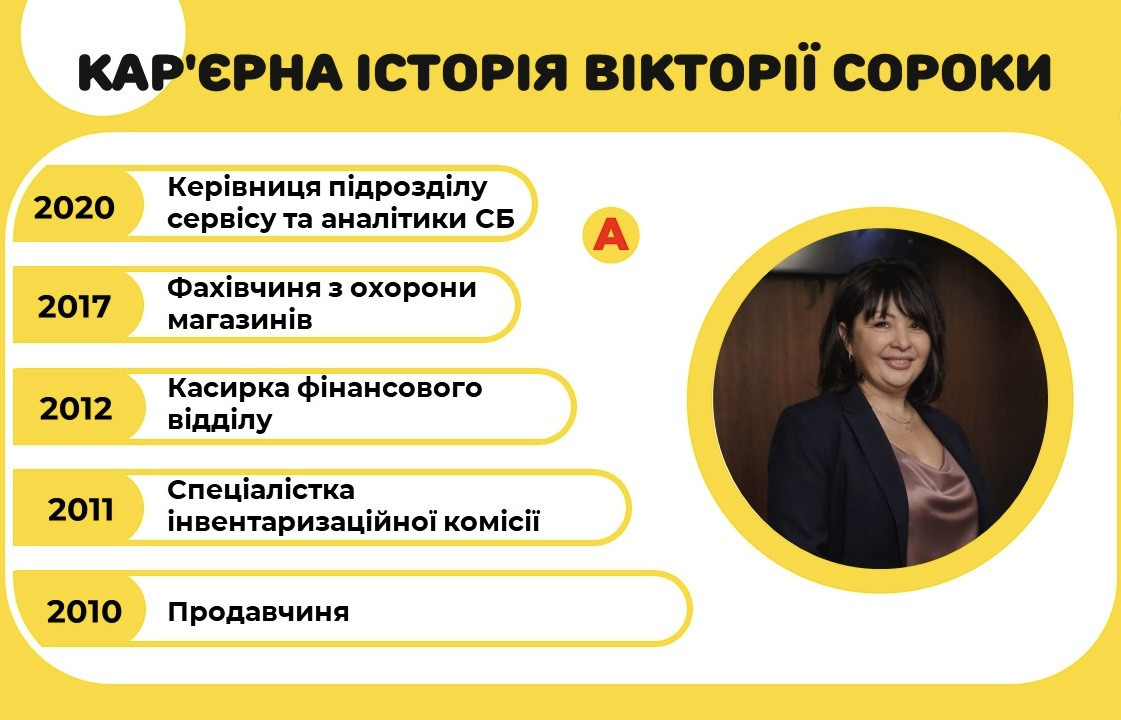
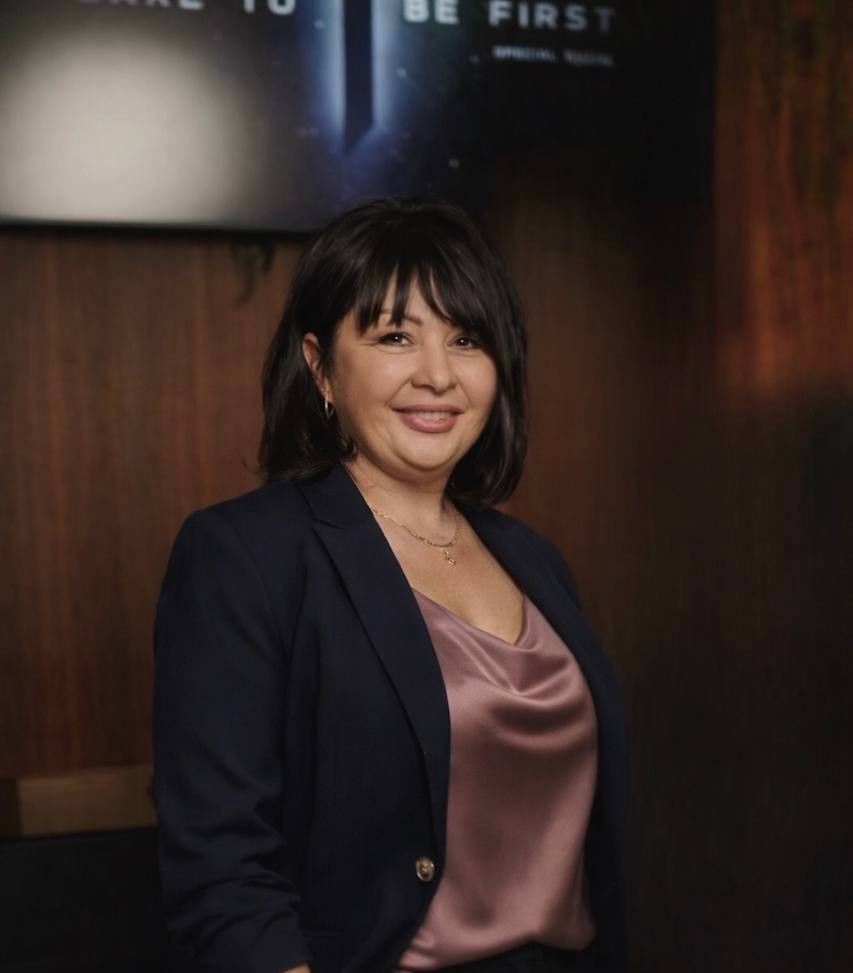
Career path of Viktoriia Soroka, Head of Service and Analytics Unit of the Security Department
“I don’t know how to give up — period!”: a career growth story in the traditionally male-dominated field of security.
Vika, your story in the company began back when Avrora wasn’t yet “Avrora.” Tell us about the start of your career.
It all happened by chance. I heard that a “Khvatai” store was opening in Poltava, and I was simply curious: what do they sell there? I worked nearby, and every morning on my way to work, I would stop by to check out the new arrivals. Later, an acquaintance offered me a chance to earn some extra money, as the staff hadn’t been fully hired yet. That’s how I stayed.
I remember coming in for my first day of training: a colleague and I were just standing there, looking at each other, each hoping the other one would do the teaching. The only tools we had were a calculator and plastic bags. But we didn’t get lost — we knew how to engage every customer.
At the beginning, stores were opening very quickly. Why do you think the team had so much drive and desire to keep opening more and more stores?
We were full of energy! When another store was opening in Poltava, on Kuibysheva Street, the shelves were delivered in the evening, and overnight we arranged all the products and completed the merchandising. We didn’t see it as hard work — it was pure drive.
Strangely enough, we didn’t even think about competition between stores within the chain. On the contrary, we recommended each other’s locations to customers: “Go check out the one on Kuibysheva too — it’s great there!”
And in the evenings, we would all gather at the “hundredth” store, discuss sales, and exchange products. If something wasn’t selling in one store but was flying off the shelves in another, we would simply swap stock. We were creating our own rules of the game — and that was an incredible strength.
At the start, Avrora was a very “cozy,” small company. Do you miss those times?
That was a special time. The store truly felt like home. Our regular customers were often elderly people who simply lacked communication. We became a kind of “outlet” for them: we listened to their stories, knew everything about their lives. They could come in, buy nothing, just talk — and the next day bring all their neighbors along.
We wore red scarves, and that was our symbol. People recognized us even on our days off in the street and would immediately ask, “Where’s your scarf?”
That sense of loyalty and warmth from customers made it feel like we were doing something much bigger than just retail. It was a family where everyone knew each other.
At what point did you feel that the company had “taken off” in its growth and turned into a powerful system?
Everything was happening at incredible speed. First, we were opening stores in Poltava, then Okhtyrka, and when we opened the 15th store in Dnipro — that’s when I truly realized the scale. I remember being picked up at 5 a.m. by a truck with goods, we’d drive, spend the whole day setting up displays, training staff, and then at 10 p.m. Lev would say: “Alright, let’s head home — we’ve got another site in the morning.” We slept in the truck, leaning against each other, and by morning we were already back at work.
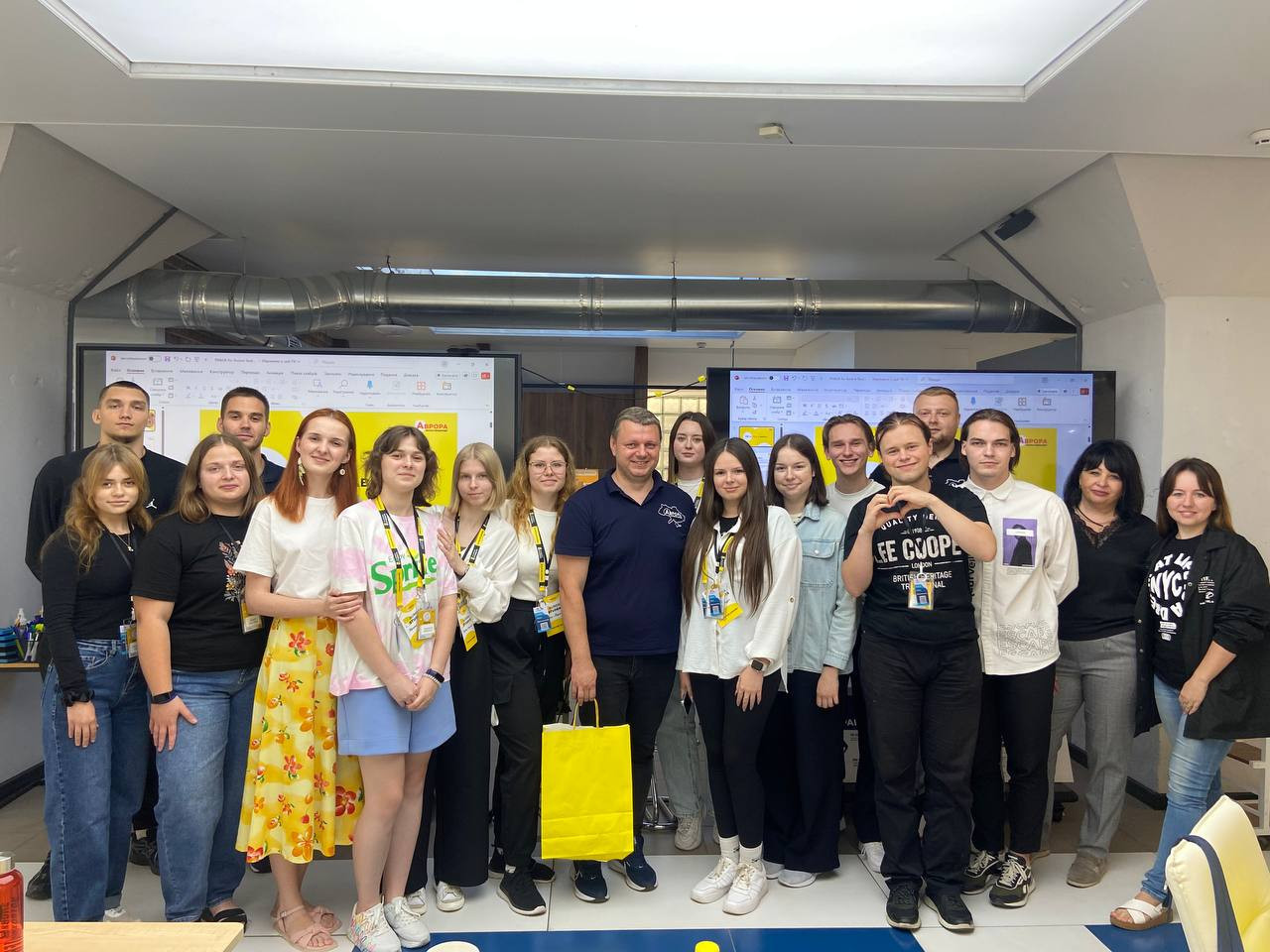
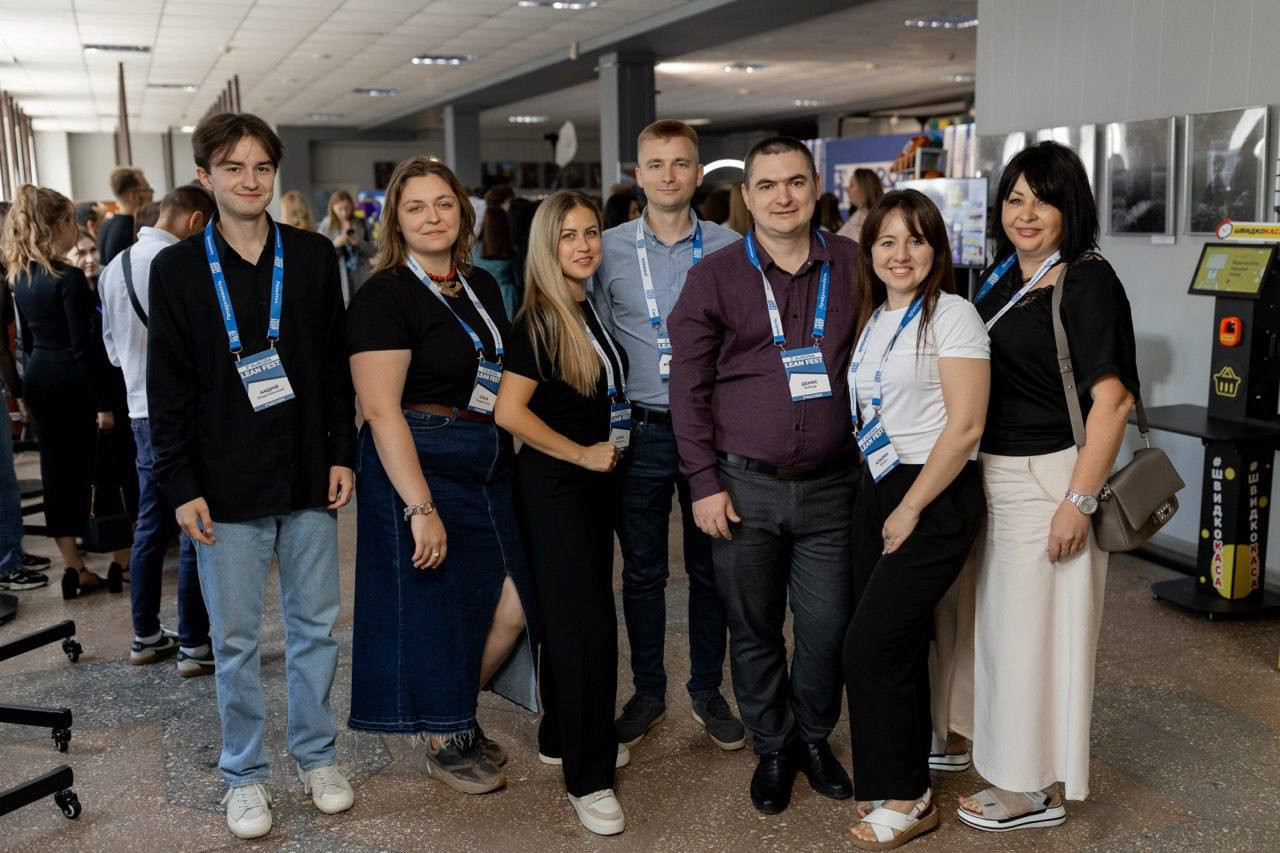
But the real turning point in my mindset came about two years ago at my first Lean Summit. I saw a new phase of the company: many young, creative people who aren’t afraid to speak up and take responsibility. I looked at them and thought, “Wow, how much we’ve grown!”
That’s when I realized the approach had completely changed: now it’s about efficiency, data-driven decisions, and developing leaders who learn from their mistakes and make us stronger.
Switching from the audit commission to the Security Department is a serious challenge. Were you afraid to enter a profession surrounded by stereotypes about “law enforcement” and “men’s work”?
It was a conscious decision, although at the beginning I didn’t fully understand where I was going. At that time, the Security Department was just being formed, and processes were not yet established. The people around me had backgrounds in law enforcement — it was a completely different world.
Was I scared? Not exactly — it felt more like a challenge. Even my close ones didn’t know for a long time what exactly I was doing — it was a matter of security and my personal choice. I listened a lot, observed how situations were analyzed, and gradually adapted. This environment taught me to “lock away” my emotions when necessary and to make decisions even when there are no ready-made answers at first.
You had to literally “pass exams” of competence in front of male partners. How did you earn their respect, and what would you advise women who are afraid to enter the Security field today?
At the beginning, I действительно wasn’t taken seriously simply because I’m a woman. During negotiations with security companies, I could see skepticism in the eyes of experienced men. So I prepared for meetings three times more thoroughly: I studied technical equipment, investigation scenarios, and even rehearsed my answers to difficult questions out loud. I don’t know how to give up — period.
When, after such “exams,” respect came — along with apologies — it felt like a small personal victory.
To women who want to try themselves in this field, I would say: never doubt yourself. We are no less professional than men. The difference is not in gender, but in the willingness to take responsibility. And if it’s hard — process your emotions in private, but face the world with your head held high.
Responsibility as a leader is always about people. How do you handle moments when team members move on, and what helps you not show your own fatigue or doubts to the team?
Responsibility has been with me since school — I was always a class monitor. But being responsible for a team is different. It’s about making sure they don’t lose faith in you. Even if I stumble or the result isn’t what I expected, I don’t have the right to project that onto the team. My job is to inspire them to keep moving forward.
When people from my team grow and move on to higher positions in other areas — I feel both sadness, because I’ve put my heart into them, and at the same time, I’m incredibly happy for them. It means that I, as a leader, did my job right. Letting people go is always painful, especially when you know the real context behind it. But it’s also an experience that teaches you to see your own mistakes and become stronger.
You said, “I don’t know how to give up — period.” Where does this inner strength come from, and how do you find the resources to pause and avoid burnout?
I just don’t like losing. That drive has been with me for years — in the store and in Security. I push forward until I see results. Unless I’m given clear arguments that my path is wrong, I won’t stop.
Of course, I understand that resources aren’t unlimited — I’m not 20 anymore, and you can’t ignore fatigue. When I feel burnout approaching, I allow myself to take a short pause to reflect, regroup my thoughts. But that pause is only to take another step forward afterward.
That’s my nature: I can accept defeat if it’s justified, but giving up without a fight — that’s not who I am.
You’ve seen Avrora in many different stages. What makes you feel the greatest pride today when you walk into a modern store?
I’m proud that we’ve created accessibility. That anyone, regardless of their budget, can come in and enjoy their purchase. But what inspires me the most are the people. A position is defined not by status, but by attitude. I truly respect the work of every colleague, because it’s the people who give meaning to these walls.
I’m also impressed by our leadership — they are young, creative, and open. They give everyone the opportunity to grow alongside the company, and this modern approach to management is what makes Avrora special. We’ve become a network that meets the needs of everyone without losing our soul.
The company actively supports veterans and people with disabilities, adapts spaces, and implements accessibility. Why is it important to you that the business maintains its humanity despite a strong focus on efficiency?
For me, that is the true measure of strength. Real success isn’t just numbers in reports — it’s how a company treats people in the most difficult times. Avrora doesn’t turn away from complex issues: we create conditions for employees with disabilities, we support those who have gone through war.
This is a business with a human face. We’re learning to be valuable to society not just in words, but through real actions — from adapting stores to providing meaningful support for veterans. It gives confidence in the future and a sense that we’re working in the right place.
And finally, complete the sentence: “For me, Avrora is…”
It’s comfort, calm, and confidence. It’s gratitude for being part of a company that knows how to listen and meet the needs of every person.