
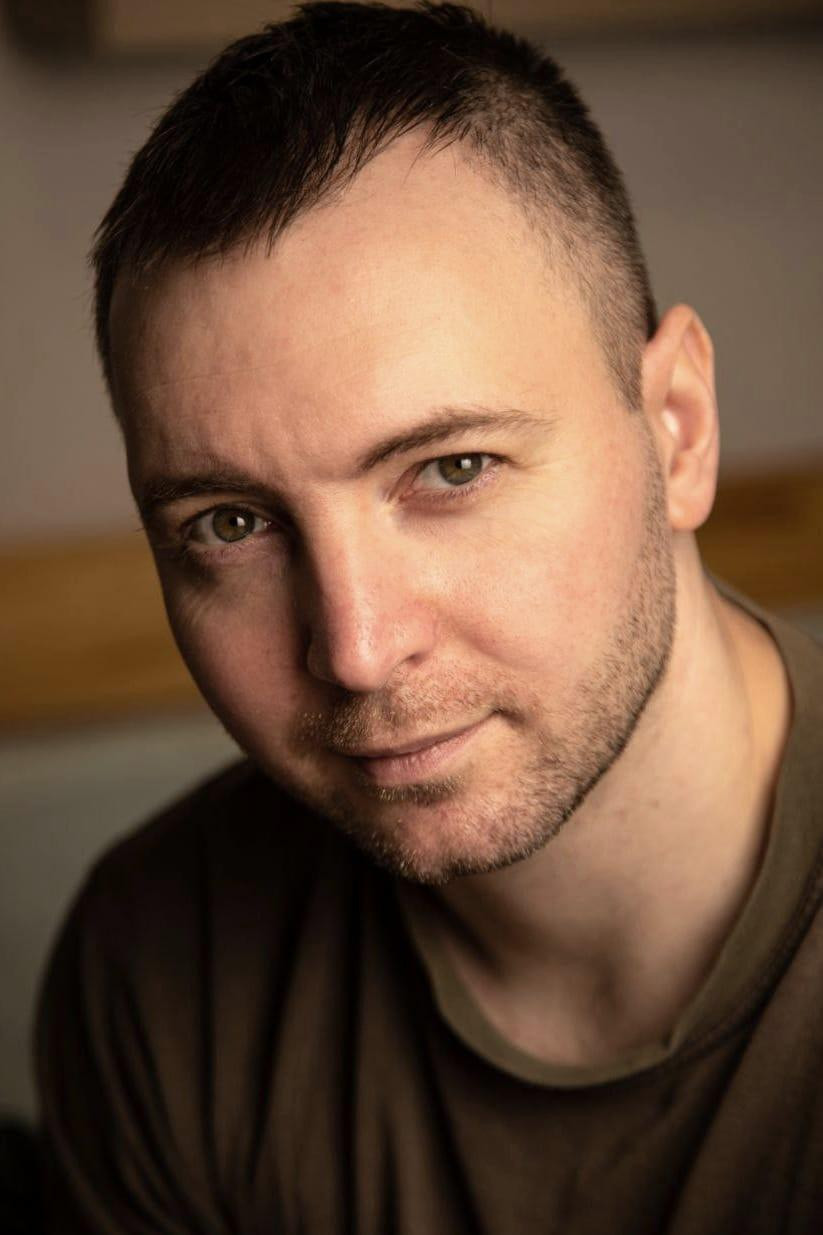
The Story of Our Veteran Petro Boiarenko, Video Surveillance Specialist
How did Avrora first become part of your life?
My wife was probably the first to discover Avrora, and I learned about it through her. We would visit the store together to choose household items—tableware and various everyday essentials. I became much more familiar with the store’s format when I started renovating my home. I constantly needed something, whether for the apartment, everyday use, or simply small household items. In this respect, Avrora was always very helpful.
Avrora entered my life as an employer when I began looking for remote work. After my previous job, I realised that even working full-time in an office was physically too demanding for me. I therefore focused specifically on finding a position that I could combine with rehabilitation and that would accommodate my health needs.
There is a veterans’ group chat in Odesa, and someone shared a link to the vacancy there. I opened it, read the description, and saw that it was a remote position for a video surveillance specialist. I thought, “Why not?” I completed the application form, and a recruiter called me the following day.
We spoke, and she explained the working conditions. To be honest, I was pleasantly surprised that such conditions were even available: remote work, a convenient schedule, and the possibility of alternating shifts. For example, I can attend rehabilitation sessions or go swimming in the morning and then complete my shift without any difficulty. This is extremely important to me.
What was the decisive factor in choosing Avrora as your employer?
Honestly, it was the fact that there are very few comparable opportunities.
Remote work is often associated with IT or sales. I tried studying IT, but the programme was extremely intensive—from morning until evening, five days a week. That format may suit some people, but when you are an adult with a family, household responsibilities, and rehabilitation appointments, it is not always realistic.
Other remote work opportunities did not particularly appeal to me. This vacancy, however, offered exactly the format I needed: remote work, a clear schedule, and good working conditions. For me, it was an excellent opportunity.
What were your first impressions of the team?
They were very positive. I immediately felt supported by my manager. It was not simply a matter of saying, “Please reach out if you need anything.” I genuinely felt that this person was willing to devote time to me, explain things, and offer help.
If any work-related questions arise, I can ask for assistance. If I need clarification, someone will provide it. If a personal situation occurs—for example, if I need to change a shift because of important circumstances—it is handled reasonably and with understanding.
From a technical perspective, I did not find it particularly difficult to learn the role. Of course, it was a new field for me, but everything was explained clearly. Most importantly, I know that if a question arises, I will not be left to deal with it alone.
Has your perception of the company changed since you joined?
Yes, it has—or, more precisely, it has broadened. To me, Avrora is still the convenient local store I can rely on. However, during the onboarding process, I was able to see the company from within—as a large, well-structured, and modern organisation. I learned more about its scale, its people, its processes, and its development.
I was particularly impressed by the standard of management. It is clear that people do not simply settle for what has already been achieved. They are constantly looking for ways to improve processes, develop professionally, and support the growth of their teams. To me, this is an indication of a strong company.
Tell us a little about your military service.
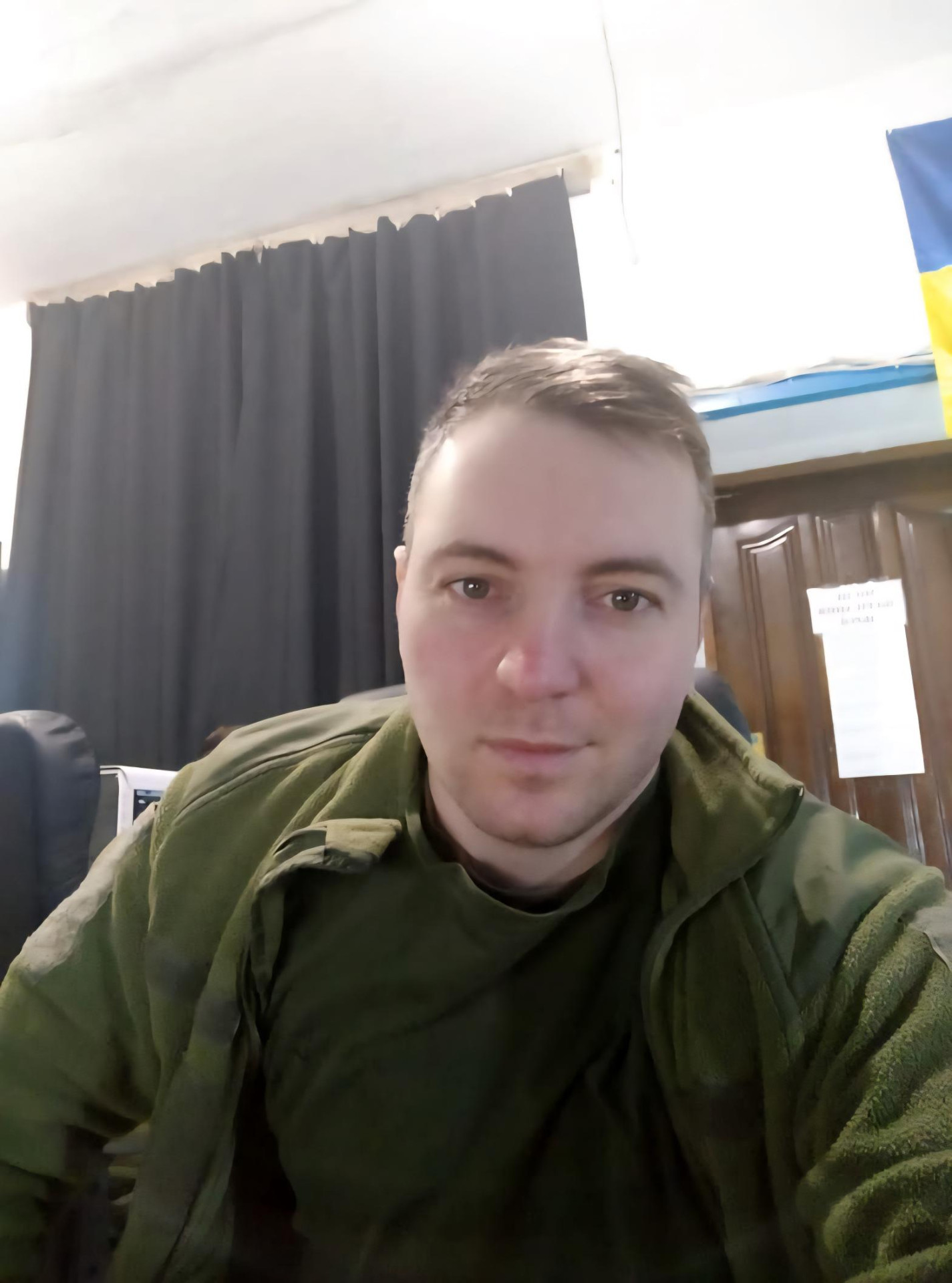
I joined the Armed Forces of Ukraine in 2014. Before that, I had been a civilian with no military background. I had studied management, worked in a bank, and envisioned my future entirely within a civilian career.
When it became clear that serious developments were unfolding in the country, I made a decision: if there was a need and I was called upon, I would not hide or look for ways to avoid serving. That is what happened. I went to the local military enlistment office, completed all the necessary procedures, and joined the military.
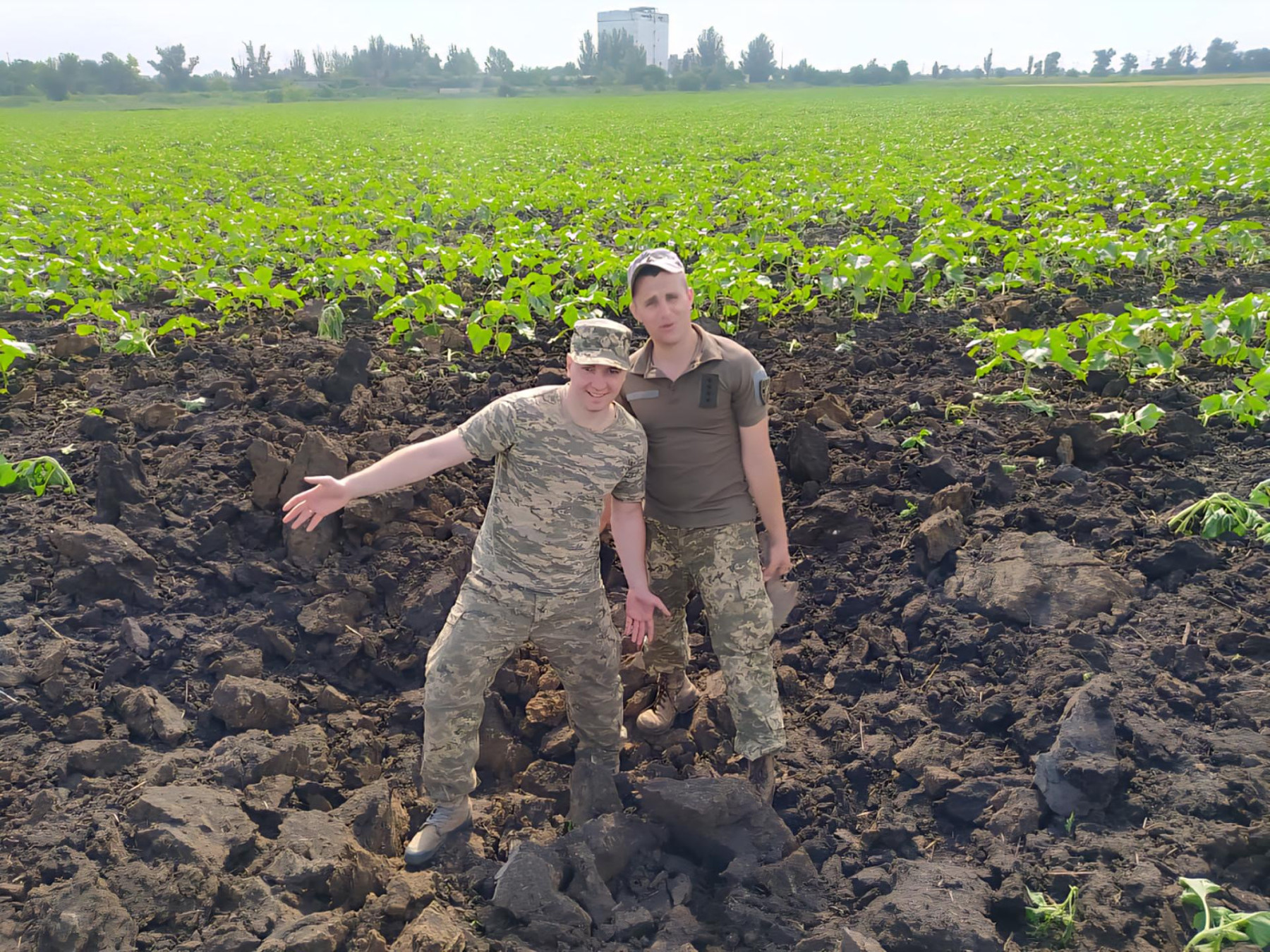
I began as a soldier because I had no previous military experience. Over time, I became a squad leader and later a platoon commander. My area of service involved reconnaissance and surveillance, as well as supporting unit operations.
Over the years, I served in eastern Ukraine, completed several rotations, and was deployed to different sectors. When the full-scale invasion began, I continued my service under entirely new conditions.
It was a long journey, and it changes a person profoundly. You begin to view responsibility, teamwork, and the people around you differently. You also see very clearly how many strong and honourable people there are in Ukraine.
How difficult was it to return to civilian life?
The transition was challenging. Even before leaving the military, I tried to prepare myself for civilian life. I read books on communication because I understood that communication in a military environment differs significantly from communication in civilian life.
After I was wounded, however, everything changed. At first, my primary objective was simply to recover physically to the point where I could manage everyday life comfortably. For a long time, I did not think about a career or employment. I focused entirely on treatment, rehabilitation, and recovery.
After an extended period of treatment and limited social interaction, I greatly wanted to return to society and become part of a team again. I did not want simply to remain at home. I wanted to be around people, have meaningful work, and feel that I was once again part of everyday life.
Gradually, I began trying to work and observing how my body responded and how I felt physically. At one point, I started working in an office, but eventually realised that it was too physically demanding for me. That was when it became clear that I needed to find a remote position while continuing my recovery.
What helped you adapt?
Family, rehabilitation, sport, and community all play a very important role.
When you are left without a sense of purpose after military service or an injury, it is very easy to withdraw into yourself. However, when you have a goal—to recover, learn, return to work, and contribute—there is something to hold on to.
What helped me was gradually returning to an active life—not abruptly or by forcing myself, but through small steps. First came physical recovery, followed by attempts to study, then work, communication, and meeting new people.
It is also important to accept that your new life may be different. It may not be the same as it was before your injury or military service, but it can still be fulfilling.
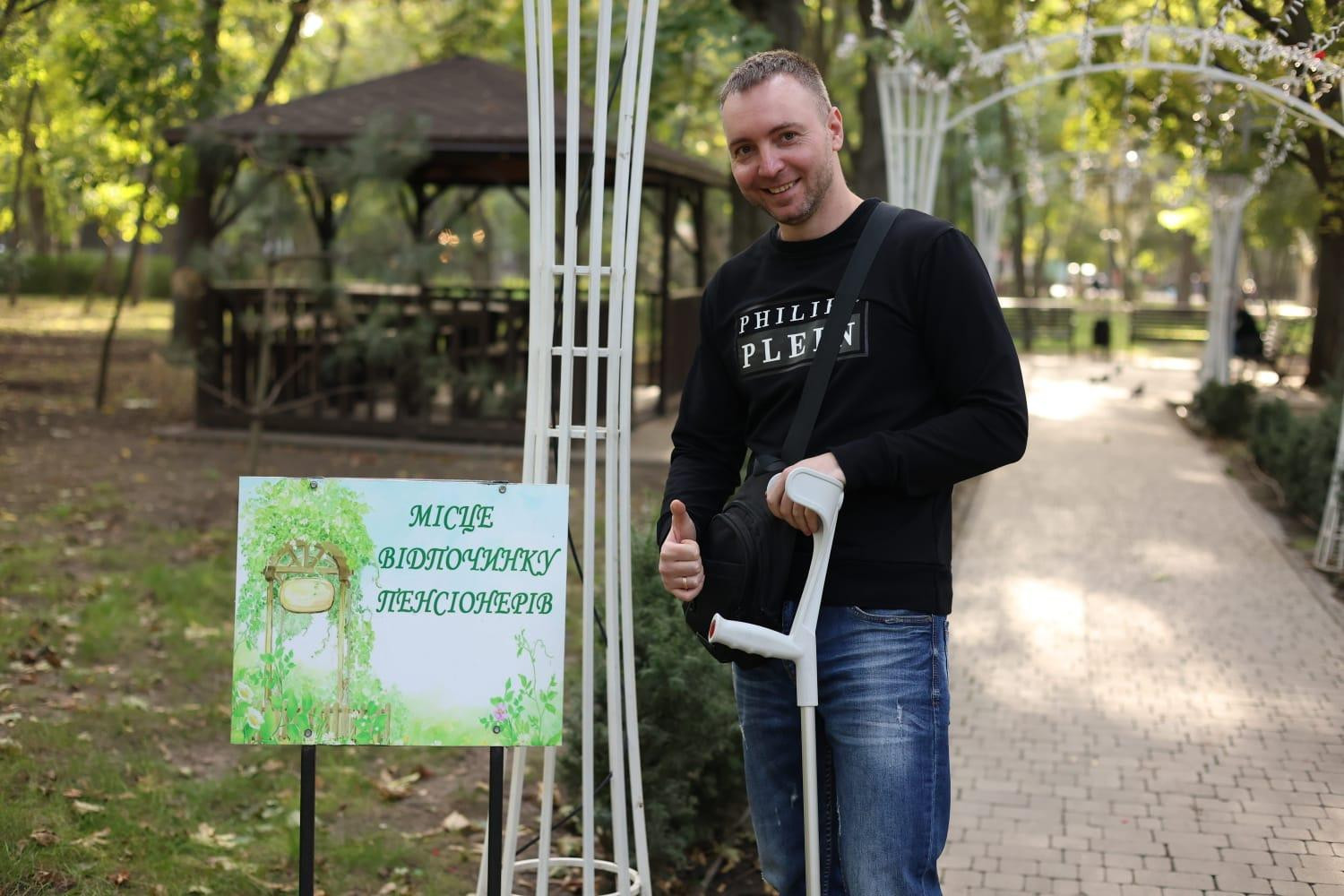
Do you make use of the additional opportunities Avrora provides for veterans?
I am still gradually learning about everything that is available, but I can already see that there are many opportunities.
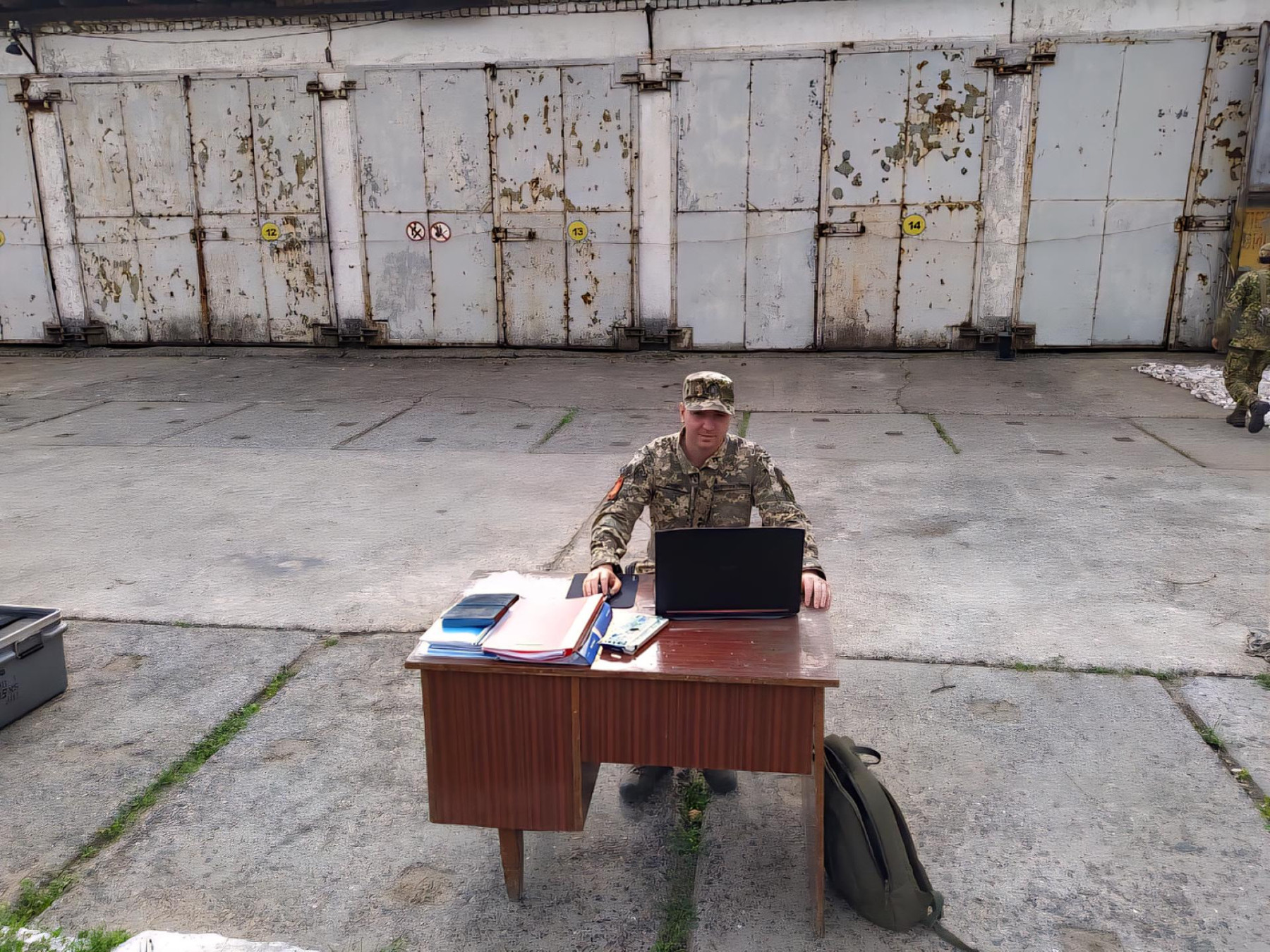
For me, the most important benefit is the working format itself: a remote position, a clear schedule, and the ability to combine work with rehabilitation. This is extremely valuable for veterans with limited mobility, as travelling to an office every day or working full-time in a conventional format is not always possible.
The company also provides internal training, courses, and opportunities to become gradually integrated into its processes. The support of the team is equally important. When you are learning a new field, you want to know that there are people around you whom you can approach for help.
What advice would you give to veterans who are considering joining Avrora?
Give it a try. Simply give it a try.
A great deal depends on a person’s internal decision—whether they allow themselves to move forward. You can spend a long time doubting yourself and thinking that you will not succeed, that it will be difficult, or that joining a new team will be stressful. But unless you try, you will never know.
In my opinion, Avrora is one of the best employment options for veterans, particularly those with limited mobility. It offers remote work, a clear schedule, good working conditions, and a genuinely supportive approach. These things are extremely important when you are returning to civilian life and gradually finding a new rhythm that works for you.